


Latest Blogs

A short overview of the insights you'll find here - covering industry trends, agency updates, success stories, and expert perspectives.
Beyond the Blueprint: Gamifying Industrial Safety with Digital Twins and Immersive Training
The "Game Over" Screen No Longer Means Disaster
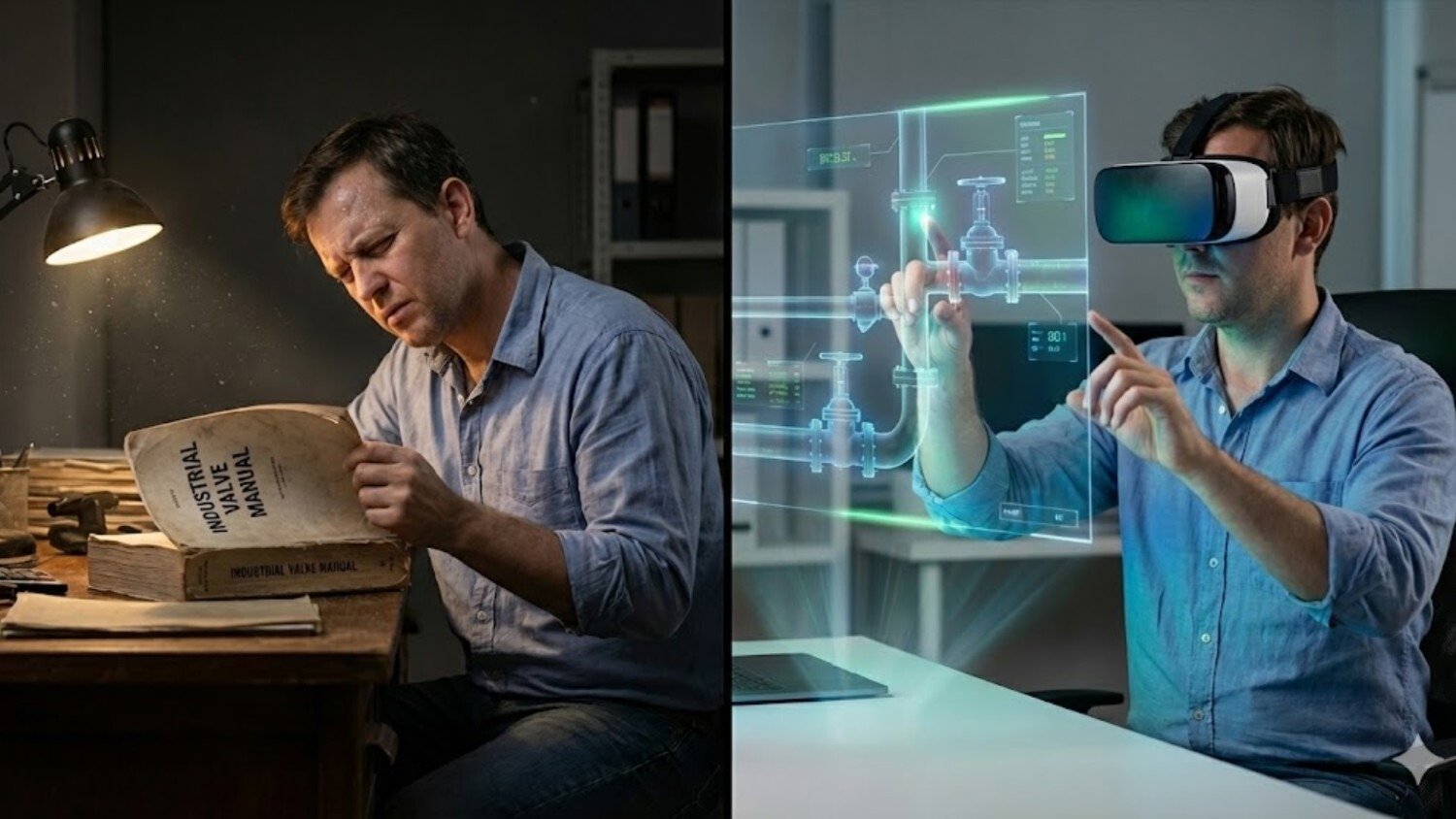
We've all been there. It's day one on a new industrial site or the start of a quarterly compliance refresh. You are handed a binder thick enough to stop a bullet, or worse, assigned a 50-page PDF titled "Standard Operating Procedures: Hazardous Fluid Transfer." You read. You scroll. You answer a multiple-choice quiz where "C: Don't touch the glowing red button" is obviously the right answer.
But here is the engineering reality: rote memorization doesn't survive contact with the chaos of a live factory floor. When a pressure valve blows at 2:00 AM, your brain doesn't reference page 34, paragraph 2. It reacts based on instinct and muscle memory.
For decades, we treated industrial training like a library session. Today, we are treating it like a video game.
Think about modern gaming. When you start a complex game, you don't read a manual. You play a tutorial. You learn the mechanics by doing. If you jump off a cliff, you respawn. You learn "gravity hurts" without breaking a leg. We are finally bringing this "respawn logic" to heavy industry. We are moving from "Read the Manual" to "Play the Level."
The Tech Stack: More Than Just Pretty Graphics
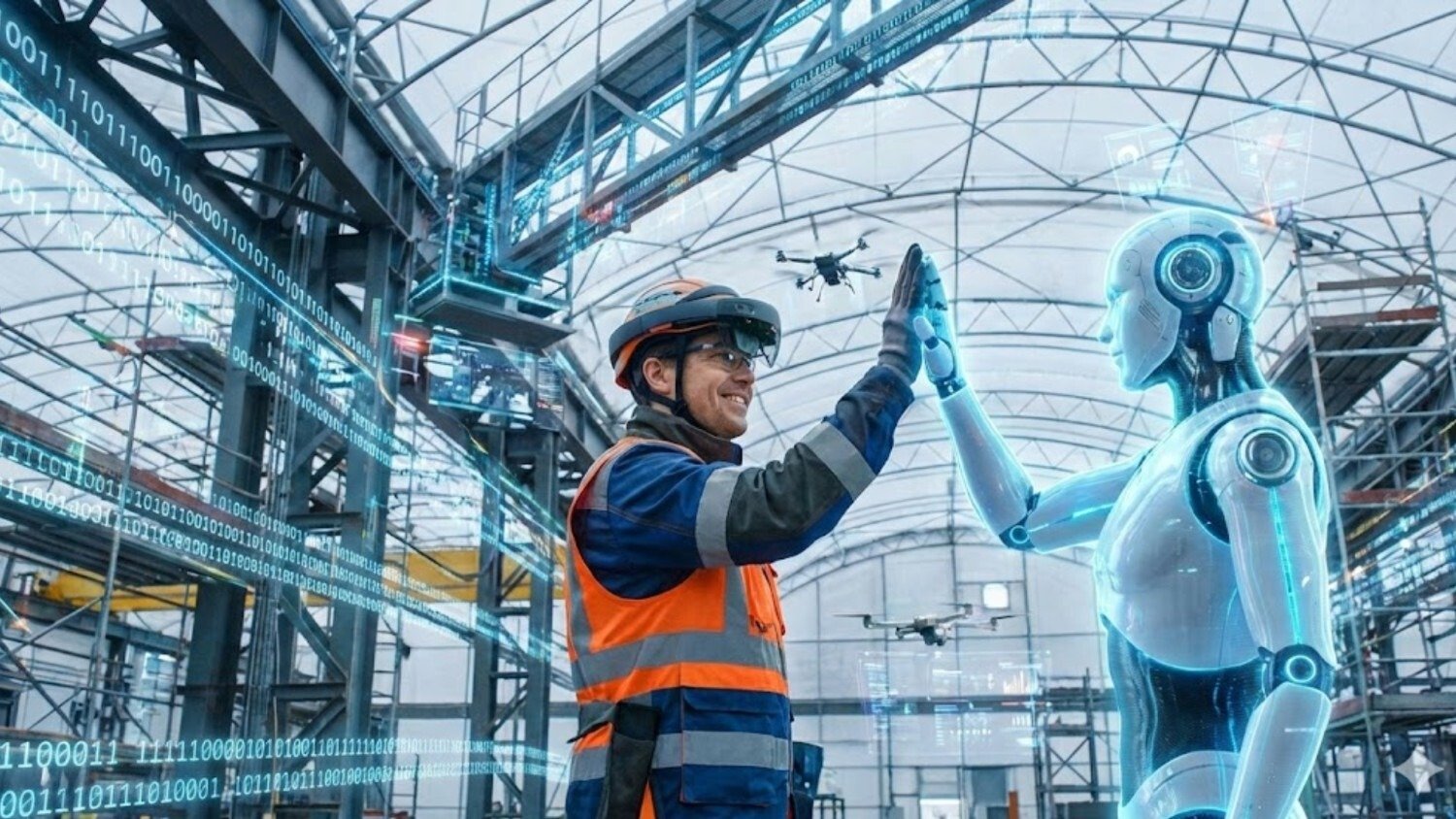
As an engineer, I often hear people dismiss Virtual Reality (VR) or game engines as "toys." But let's look under the hood. The convergence of Digital Twins and Game Engines (like Unity or Unreal Engine) is a systems integration masterpiece.
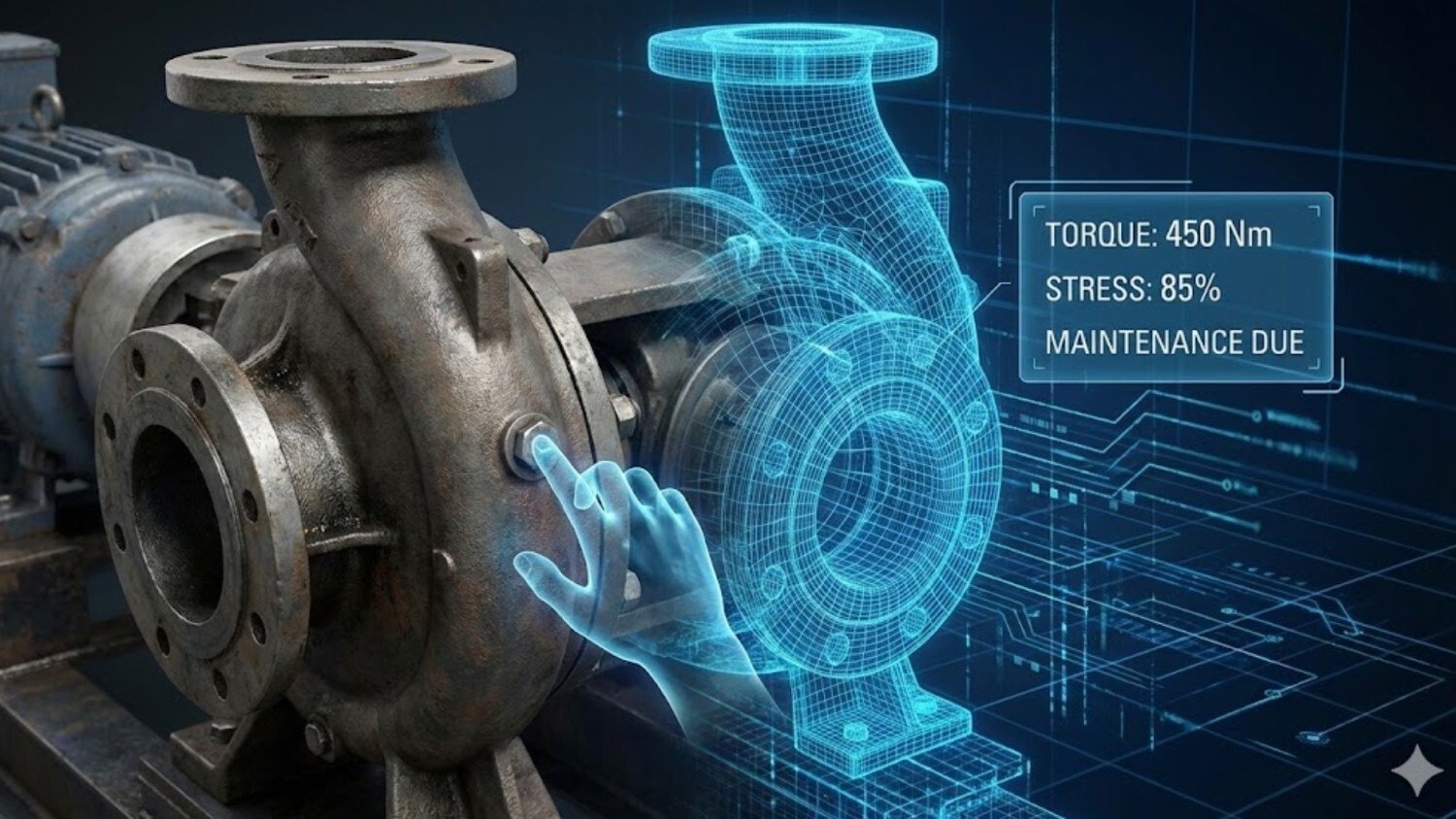
A Digital Twin is not just a 3D model; it is a dynamic, data-rich replica of a physical asset. It's the schematic come to life. When we feed this twin into a Game Engine, we aren't just rendering textures; we are simulating physics.
In these environments, gravity, fluid dynamics, and thermodynamics are active variables.
- Cause: You open Valve A before closing Valve B.
- Effect: The pipe bursts.
In a PDF, that error is a sentence. In a simulation, you hear the hiss of escaping steam, you see the pressure gauge spike, and you witness the immediate operational failure. The visceral feedback loop is instant. We are allowing engineers and operators to fail safely, effectively building "experience" without the casualty report.
The "Multiplayer" Shift: Collaborative Troubleshooting
The solitary nature of industrial learning is vanishing. Systems management taught us that silos kill efficiency. Why should training be any different?
We are seeing a shift to "Multiplayer" industrial environments. Just as gamers form squads to tackle a raid, engineering teams can now co-inhabit a digital twin to tackle a retrofitting challenge or a safety hazard.
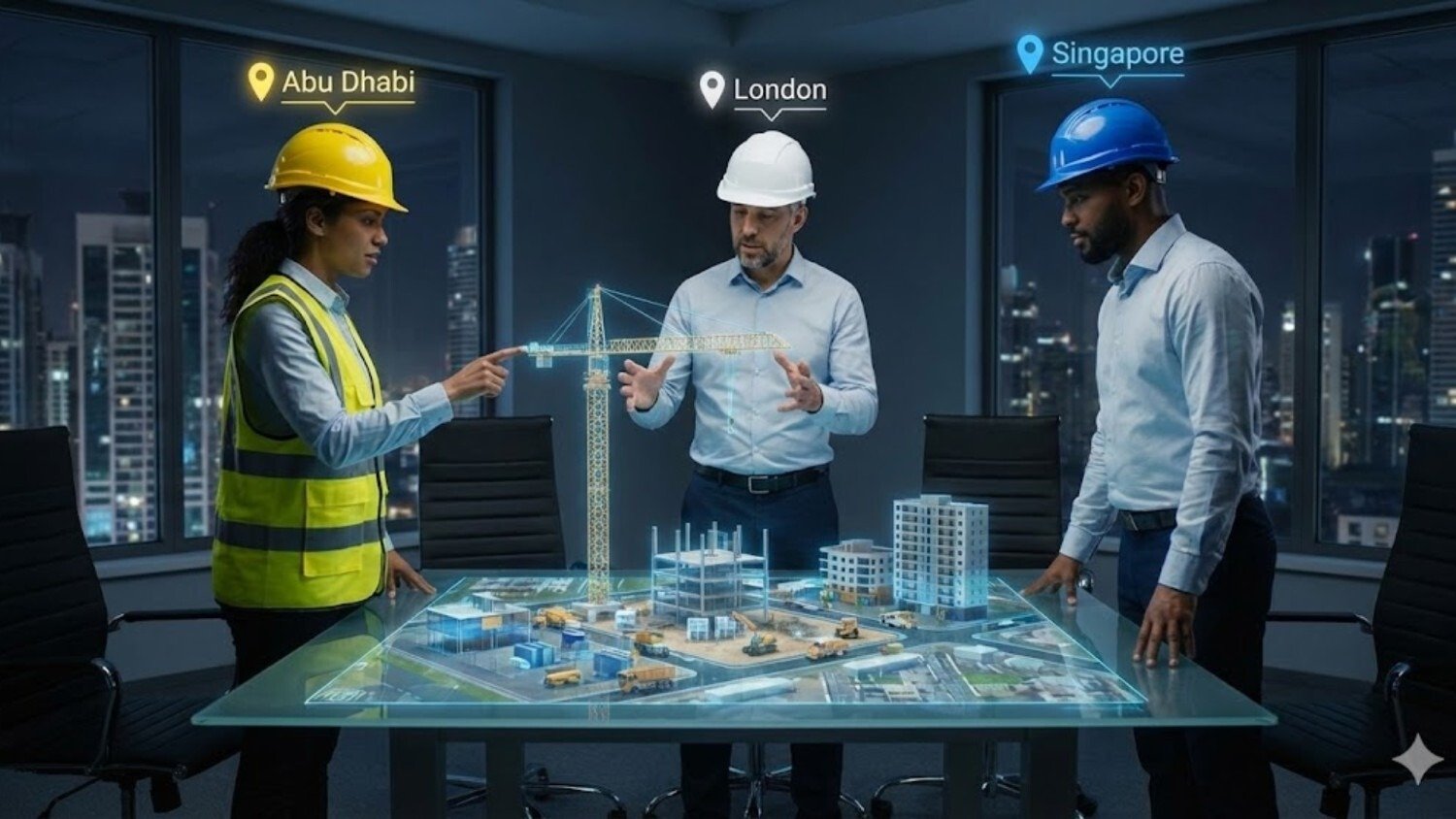
Imagine this scenario: A site foreman is on the ground here in Abu Dhabi. A specialist structural engineer is in London. A safety auditor is in Singapore.
- The Old Way: Emails, grainy photos, and confused conference calls.
- The New Way: They all log into the same immersive "room."
The foreman points to a virtual scaffold; the engineer in London sees the pointer and highlights a stress fracture in red; the auditor pulls up the compliance data on a floating screen next to it. They are troubleshooting a hazardous situation in real-time, effectively "playing" the safety scenario together before a single boot hits the actual ground
Real-World Application: The Giants Are Already Playing
This isn't sci-fi speculation. The industry heavyweights have already realized that "gamification" is actually just "optimization."
1. Siemens & NVIDIA: The Industrial Metaverse
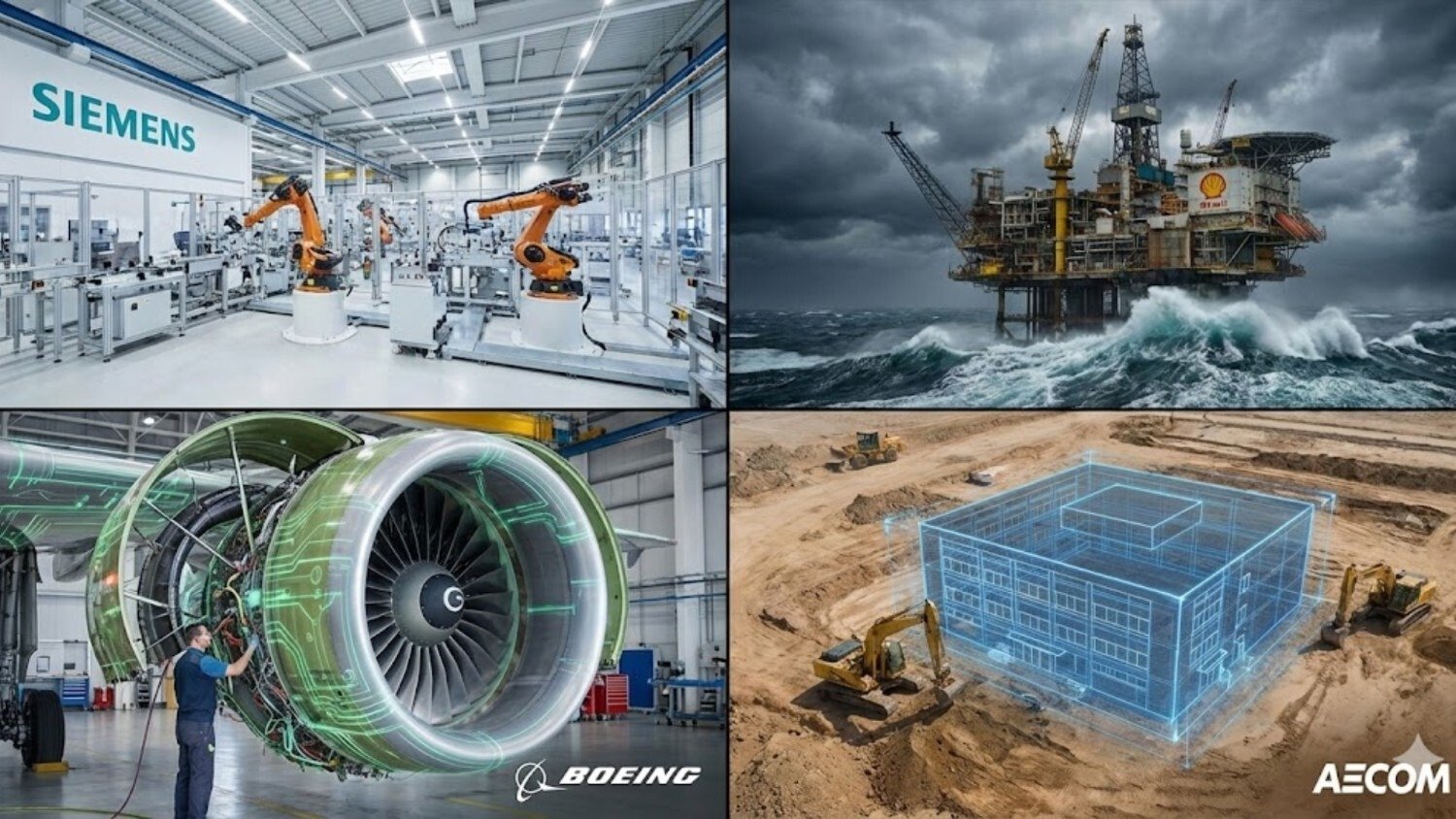
Siemens has partnered with NVIDIA to create essentially an "Industrial Metaverse." They aren't just simulating a machine; they are simulating entire factory floors down to the last screw. By using NVIDIA's Omniverse, they can simulate the throughput of a factory before pouring the concrete. They can run "what-if" safety scenarios-like a fire or a chemical leak-to test if the escape routes are actually viable for the human workers.
2. Shell: Deep Water, Low Risk
Shell has been a pioneer in using VR for deep-water safety training. Sending a rookie to an offshore rig for basic orientation is expensive and dangerous. Instead, Shell uses VR to replicate the rig environment. Staff can practice the "Permit to Work" procedures and emergency evacuations from the safety of an office. They found that employees were more engaged and retained the safety protocols significantly longer than traditional methods.
3. Boeing: AR on the Assembly Line
Boeing uses Digital Twins and Augmented Reality (AR) to aid mechanics. Instead of looking away from the aircraft to check a laptop or a blueprint, mechanics wear AR glasses that overlay the wiring diagrams directly onto the fuselage. It reduces the cognitive load-the constant switching between "data" and "reality"-and significantly reduces assembly errors.
4. AECOM: Mixed Reality Construction
Construction giant AECOM utilizes HoloLens (Mixed Reality), HTC Vive, Sony VR to visualize complex projects. They can project the finished architectural/structural model over the empty site. This allows safety managers to spot clashes-like a duct running through a safety railing-months before they become physical (and costly) hazards.
The quantifiable benefits:
- Reduced Incident Rates: Muscle memory saves lives.
- Higher Engagement: People pay attention when they are "in" the simulation.
- Faster Time-to-Competency: Learning by doing is exponentially faster than learning by reading.
Future Outlook: AI NPCs and The Spatial Web
As we look toward the horizon, the convergence of Artificial Intelligence (AI) and Spatial Computing excites me the most. We are moving toward dynamic training environments populated by AI Non-Player Characters (NPCs).
Imagine a safety simulation where the hazards aren't static. An AI-driven forklift driver might unexpectedly cross your path, or an AI "rookie" might make a mistake that you, the trainee, have to catch and correct. The simulation reacts to you.
We are bridging the gap between the digital and the physical. For the electronics engineer, the safety manager, and the systems analyst, the toolset has evolved. We aren't just managing systems anymore; we are experiencing them. The blueprint was just the beginning. The game has just begun.